
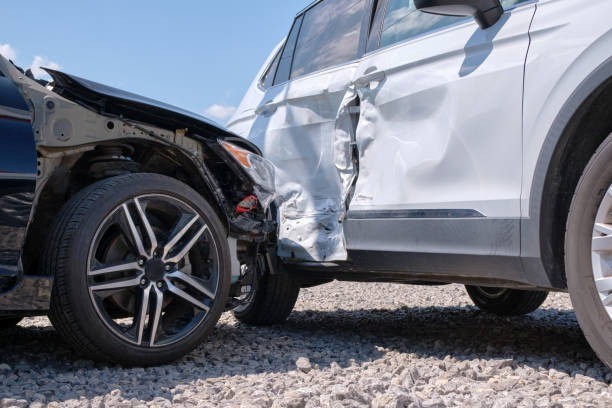
One traffic accident on I-5, Highway 99, or Broadway can turn your day upside down. One minute you’re driving to work. Next, you have a tow truck, a sore neck, and a call from an adjuster. Understanding how Washington handles car insurance claims can help you protect your rights after an accident.
Washington Is an At-Fault State
Washington uses an at-fault system. The driver who causes the crash is responsible for the harm. That driver’s liability insurance pays the other person’s losses, up to the policy limit.
State law sets minimum liability limits of $25,000 per person for injuries, $50,000 per crash for injuries, and $10,000 for property damage (RCW § 46.29.090). Those numbers can fly by when it comes to serious injuries. For this reason, many motorists also have underinsured motorist coverage.
Fault Can Be Shared
If you share responsibility, you may still recover some of your losses. Washington follows the “pure” comparative fault doctrine under RCW § 4.22.005. Your payout is reduced by your percentage of fault. If your damages are $10,000 and it’s 20 percent your fault, you can recover only $8,000.
First Steps After a Crash
If anyone is injured, call 911. Drivers are required to report crashes in which someone was injured, killed or property damage occurred to a level that meets or exceeds a Washington requirement (RCW 46.52.030). Next, do the following:
- Exchange names, insurance details, and license plate numbers.
- Take photos of the scene, the vehicles, and any injuries.
- See a doctor, even if you feel fine.
- Tell your own insurer about the crash soon.
How the Claim Process Works
Start with your own policy. Washington insurers must offer personal injury protection (PIP) coverage of at least $10,000 for medical expenses, and you can only decline PIP coverage in writing (RCW § 48.22.085). PIP will pay the medical expenses regardless of who was at fault.
The other driver’s insurer will likely contact you. You can share basic facts, but you generally do not have to give a recorded statement. Early offers may not cover all of your costs. Don’t sign a release until you know the full cost of your medical care.
Insurers must follow state rules, too. Under WAC § 284-30-360, they must respond to claim communications within 10 working days. If an insurer drags its feet, you can contact the Washington Office of the Insurance Commissioner.
Know Your Deadline
You have to file most injury and property damage claims in court. You must do this within three years of the crash under RCW § 4.16.080. Claims against a city or other governmental entity follow different rules and must first be submitted on a claim form (RCW § 4.96.020). Failure to meet deadlines may terminate your claim.
When to Get Legal Help
There are simple claims. Others are not. When injuries are severe, liability is questionable, or the insurance company refuses to settle, many people consult an Everett car accident lawyer before accepting a settlement. While you’re recovering, a lawyer can manage paperwork, gather records, and communicate with adjusters. Many injury lawyers work on contingency, so you pay no fee unless they recover money.
A little preparation goes a long way after a crash. Keep good records, follow the deadlines, and ask questions before you sign anything.
The views and opinions expressed in this sponsored post are those of the advertiser and do not necessarily reflect the views of North Sound Media or its subsidiaries. North Sound Media does not accept liability for any loss or damage caused by using any products or services mentioned in this sponsored post, nor do we endorse any products or services posted under sponsored content.