
NORTH SOUND, OCT. 10: The strongest non-tropical windstorm ever to hit the lower 48 in American history occurred 63 years ago on October 12, 1962. This historic storm clobbered much of the West Coast, including the North Sound, as the storm hugged the coastline as it quickly tracked from Northern California up the coast to Vancouver Island.
Measured wind gusts along the Oregon and Washington coasts hit 150 mph and more than 100 mph from Eugene to Vancouver, B.C. With power outages and wind instrument damage, many measured winds were reported only early in the storm and the actual peak winds were quite likely missed.
Those wind gusts matched category four hurricane force winds. The Pacific Northwest does not get hurricanes that are fueled by warmer sea surface temperatures, but it does get hurricane-force winds when intense North Pacific Ocean storms manage to reach our area.
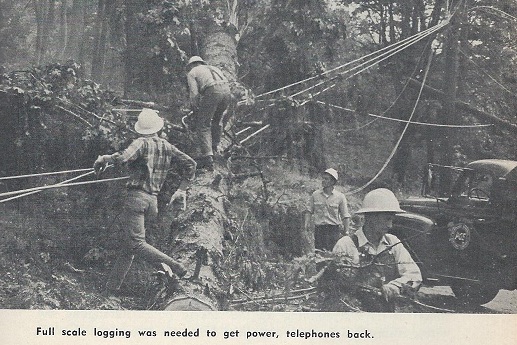
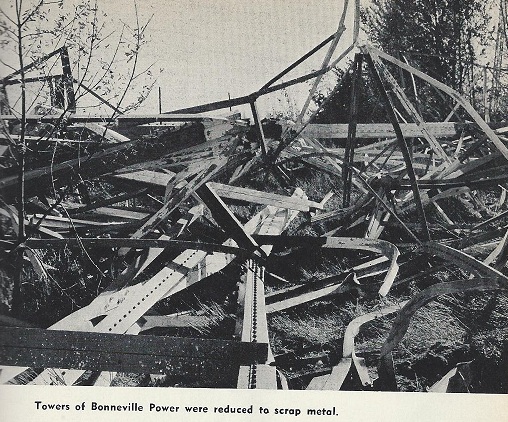
Wind gusts in the North Sound ranged from 70 to more than 100 mph, striking on a Friday evening. Damage from the storm was widespread. Millions of people were without power along the entire U.S. West Coast. Some did not get power back until November. Television and radio stations were knocked off the air.
More than 15 billion feet of timber was blown down from the coast to Western Montana, enough timber to build one million homes. Thousands of buildings were destroyed or heavily damaged by fallen trees and strong winds.
The storm claimed 46 lives and injured hundreds more. All other windstorms are compared to this grand-daddy of them all. If there is an older relative who lived through this storm, they have stories to tell.

The Columbus Day Storm highlights that October is the start of the fall and winter windstorm season that runs into March. Another windstorm like this one could occur again. Fortunately, not all windstorms are this devastating, but winds of 70 mph or more occur more frequently, on average, every 10 to 20 years.
The last big widespread regional windstorm in our region was the Hanukkah Eve Windstorm of December 2006. Last November’s Bomb Cyclone was a more localized windstorm, hitting primarily the Cascade foothills and spreading into the North Sound lowlands. We are overdue for the next big widespread storm.
Back in 1962, Western Washington had a population of about 1.25 million residents. Today, the population is approaching 7 million. Imagine a similar Columbus Day windstorm with 100 mph wind gusts pounding the North Sound today. The damage would quite likely be devastating and long-lived.
Strong windstorms usually prune or blow down trees, resulting in power outages, blocking roads, and disrupting lives. Preparing in advance for not only windstorms, but any fall and winter season storm is key to being prepared. Visit ready.gov to learn how to prepare in advance for your home, business, and even for your pets and livestock.
It is also important to keep up with the current weather. Visit our weather page for site-specific forecast information for your location, as well as the National Weather Service Office webpage for Seattle, and other key weather apps and websites.
When you are weather aware, you are weather prepared.
Corrected Monday, Oct. 13. A previous version said that the Columbus Day Storm was 64 years ago. That is incorrect. The storm was 63 years ago, on Oct. 12, 1962.
