
EVERETT — Everett Police Chief, Robert Goetz, wants to tap into a $100 million state program to acquire $6 million in grant funding for the city to hire 10 new police officers and eight CARE team social workers. The fiscal twist to the grant request is that it only provides the labor costs for the 18 positions for two years and then the city would have to finance the future salary obligation for the police staffing–or potentially cut positions–as Everett faces a $15 million projected budget shortfall through 2027.
Goetz addressed that financing question at Wednesday’s city council meeting, “It’s definitely something we’ll have to plan for…as we move through the next two years, we also anticipate some retirements and loss of personnel. So, as we are today, we’re at 10 (officer) vacancies, and we anticipate continuing those 10 vacancies just because of attrition. We’ll plan for that moving forward. We have some other funding opportunities that may come before us here in the in the near future. But we anticipate that that’s going to be just a need for us a basic need for us. The reality is, we’re spending a lot of money on overtime, just to maintain our patrol staffing and the goal for this, the funding and adding the officers, is an effort to reduce that over time.”
The Everett City Council unanimously approved the grant application, 7-0.
This grant application is for $5,916,140.18 and would provide funding for:
• 10 new police officers for two years;
• A new domestic violence victim advocate for two years;
• Labor costs for the CARE team social workers (8) for two years;
• Equipment and training associated with the new positions and other staff to
include academy costs, certifications and administrative costs;
• Expenses related to ongoing program costs associated with the Police Department’s Drone as First Responder (DFR) program;
• Police Department less lethal equipment and electric bicycles
According to city staff, the grant covers 75% of new police officer salary and benefits, which would be approximately $117,448 per officer. The city’s obligation would be approximately $39,149 per officer hired, with a maximum matching cost of $391,490, if the City were to hire all 10 officers on day one.
Councilmember, Paula Rhyne, inquired of Chief Goetz before the vote, “So, if the city’s maximum matching cost is $391,000, we’re in a structural budget deficit, and we’re struggling to make ends meet. So, even if there is a reduction of overtime costs, where’s the money going to be coming from for matching portion?”
Goetz responded, “That’ll come right out of our personnel. That’s for the 10 new personnel that’ll come right out of salary and benefit savings that we’re experiencing as a result of the vacancies that we’ve been carrying for years. Not because we want to carry those vacancies, is just that is what it takes (for) the length of time that it takes to hire folks, so it wouldn’t be salary benefits.”
Rhyne followed, “So it wouldn’t be a new general fund obligation?”
Goetz advised, “Well, it would. It will be once we’re done with the (two year) grant funding.”
Goetz pitched the grant funding, saying, “Our proposed application focuses on three broad priorities. First, we are requesting funding to add 10 police officers for a two-year period. These positions would strengthen patrol staffing and expand our traffic safety unit, better preparing the department to meet the growing demand for the police services in our community.
“The additional staffing would improve our ability to respond to calls for service, reduce over time and employee burnout. And allow officers to complete their growing list of required and advanced training without compromising minimum patrol staffing. The request also includes academy tuition, costs, uniforms, equipment, and expanded professional development for new and existing officers, with an emphasis on de-escalation and crisis intervention.

“Second, the application seeks across approximately $2.57 million dollars to sustain the city’s Community Alternative Response Everett (CARE) Team and adds a full-time domestic violence advocate. CARE provides an appropriate trauma-informed response to non-violent behavior, behavior help, substance use abuse, welfare and Social Services related calls. Maintaining these positions would support ongoing six-day coverage, reduce the demand on our patrol officers and improve outcomes for people experiencing a crisis.
“The domestic violence advocate would provide immediate victim support, safety planning, referrals, and ongoing coordination with our investigators. This position would improve continuity of services for victims while allowing officers and detectives to focus more of their time on enforcement and investigative responsibilities.
“Third, the request includes funding for training and technology that improves officer and community safety. Proposed investments include less lethal safety equipment, such as, Starchase Pursuit mitigation technology, drone as first responder, and 40 millimeter less lethal launchers.
“These resources are intended to reduce risk, support de-escalation, improve situational awareness, strengthen accountability, and help officers to work more safely and efficiently. Equipping our community bicycle unit with e-bikes, expands our community-oriented policing efforts by increasing mobility, enabling officers to remain in the field longer by reducing fatigue. EPD’s body-worn camera program is a critical component of transparency and accountability in modern policing. Continued investment in these camera and related systems strengthens our desire to preserve our community’s trust.”
The grant money, if secured, comes from a state law, HB2015, passed in 2025 by the Washington Legislature that allocated $100 million in local law enforcement grants for cities or counties to hire more public safety staffing. The law was enacted by Gov. Bob Ferguson.
Goetz concluded his request to the council saying, “If awarded, we will measure the grant’s effectiveness through specific outcomes, including meeting our officer hiring goals, reducing mandatory staff related over time, improving priority response times, increasing officer training opportunities, sustaining CARE coverage, diverting appropriate behavioral health calls from patrol, improving victim follow-through in domestic violence cases, and reducing risks associated with use of force incidents and vehicle pursuits. This is a significant opportunity to use grant funding to increase police staffing, preserve an effective alternative response program, strengthen services for domestic violence victims, and improves safety for both officers and the community.”
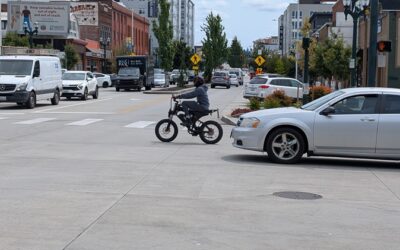
In addition to unanimously approving the grant request for the Everett Police Department, the City Council also unanimously approved new city laws on electric powered motorcycles and bikes as previously reported in this story by the EverettPost.com.