
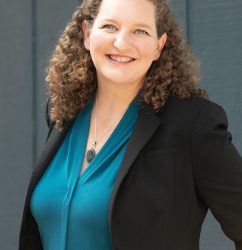
Op-Ed by Snohomish County Council Chair, Megan Dunn (District 2–Everett, Tulalip, Mukilteo)
Most of us know what it’s like to sit at the kitchen table and make the numbers work for our expenses and revenue. Over the past year, grocery prices in our area rose 4.5% and energy costs jumped nearly 16%. When money gets tight, a family cuts back: fewer dinners out, a trip postponed, maybe an extra shift or second job.
For our family and my neighbors, we are doing exactly that. As the County Council prepares to vote on Snohomish County’s 2027-28 budget, I’ve also heard a fair question: if families can tighten their belts, why can’t the County?
The honest answer is that County government doesn’t work like a household or a business, although we are facing the same impacts from increases costs-including inflation, energy increases and health insurance.
A business can drop a product that loses money. A household can skip what it doesn’t need. Snohomish County can’t stop holding trials, providing public defenders, running the jail, counting ballots, providing veteran and low-income benefits or assessing property. State law assigns this work to counties, and much of it is provided by no one else.
Most of the County’s $3.37 billion two-year budget is legally tied to specific purposes. The flexible part, the General Fund, is $786.6 million over two years, and law and justice take about 76% of it. What’s left helps pay for parks, senior centers and resources and services for our most vulnerable neighbors.
Here’s the part most people never see: state law generally limits growth in the County’s property tax collections to 1% a year, plus new construction. However, costs don’t follow that rule. Seattle-area prices rose 3.1% in 2025 and 4.4% over the year ending in August. So the gap between what services cost and what the County collects widens every year on its own.
Other costs are landing on us from outside. Tariffs and war overseas have pushed up prices for energy, transportation and materials. Counties in Washington’s shared insurance pool have seen liability premiums climb more than 380% since 2018, and our state’s rules on government liability, with no cap on damages, put it in a small minority nationally. Reform stalled in the Legislature this year. New limits on public defender caseloads are the right call, but the state is expected to cover only about 6% of what public defense costs, leaving counties and cities with the rest. And federal grants for homelessness and public health have been cancelled or tied to new conditions, forcing the County to go to court to protect money Congress already approved.
This budget doesn’t hand all of that to taxpayers and it does not use all the revenue options that are available. Executive Dave Somers proposed about $22 million in spending reductions and the elimination of 90 positions, 11 of them filled. Those are our neighbors and jobs lost during high unemployment. County government is one of the ten largest employers in Snohomish County, with nearly 3,000 employees, and every job cut is a paycheck that stops circulating at local businesses, plus longer waits for the services people count on. Cutting our way out of a structural gap would mean many more of those losses for a County that is growing and facing increased needs.
One of the biggest choices before the Council involves two levies the County already collects, one for mental health and developmental disabilities and one for veterans. A state law that took effect in July requires both at minimum rates set in statute, which will raise about $8.7 million in 2027. That money gets raised either way. The question is whether it comes out of the General Fund, competing with sheriff deputies and courts, or is collected as its own line on your tax bill.
Collecting it separately costs the owner of an average $741,000 home about $26.90 a year: $18.55 for mental health and developmental disability services and $8.35 for veterans. That’s about 7 cents a day. It pays for street outreach through the County’s SCOUT team, early support for about 3,100 infants and toddlers a year, supported employment for about 800 adults with developmental disabilities, and state-accredited veteran service officers who help veterans claim the benefits they earned.
That’s a real cost, and I want to be straight about how we got here. Snohomish County’s own general property tax rate is the second-lowest of Washington’s 39 counties, and it collects less per resident than all but four. Of every property tax dollar paid here, about 6 cents goes to the County’s general levy. For years the County left available tax capacity unused, which kept bills low and let the gap grow.
Your family’s budget and the County’s will never look alike. But both come down to the same question: what matters enough to protect when things get hard? For me, that includes the courts that keep us safe, the neighbor in a mental health crisis, the toddler who needs help early and the veteran trying to stay housed. Providing services for our agricultural community and programing for our seniors isn’t mandated but it represents our values as a county. With transparency of these dollars from these dedicated levy amounts with a budget amendment I’ve proposed, we are being careful stewards of these tax dollars while also making cuts where we can and collecting necessary revenue.
The Council is scheduled to take up the budget on November 10. I hope you’ll join me in protecting the foundational services the County provides.
Megan Dunn chairs the Snohomish County Council and represents District 2, which includes Everett, Mukilteo and Tulalip.
The EverettPost.com recently posted another annual budget op-ed by Snohomish County Councilmember, Jared Mead (District 4–Mill Creek, Bothell Brier, Mountlake Terrace), linked here.